Experience from Rhodes and other destinations will support three new areas, helping reduce overcrowding and improve everyday life for residents and visitors
How can a destination know when and where large numbers of visitors gather? And how can it use this information to reduce overcrowding, protect its attractions and safeguard residents’ quality of life? These questions were at the heart of the European TOURISMO project meeting held in Rhodes on 14–15 October 2026.
Organised by the Development Agency of the South Aegean Region – READ S.A., as Lead Partner, the meeting marked the beginning of a new phase: the knowledge and solutions tested in Rhodes and other tourism destinations will be adapted to the needs of three new areas in Bosnia and Herzegovina, France and Portugal.
Co-funded by the Interreg Euro-MED Programme, TOURISMO uses technology to help destinations manage tourism more effectively. For example, monitoring visitor numbers and movements can help local authorities identify overcrowded locations and plan appropriate measures. The aim is to improve the visitor experience while respecting local communities, the environment and cultural heritage.
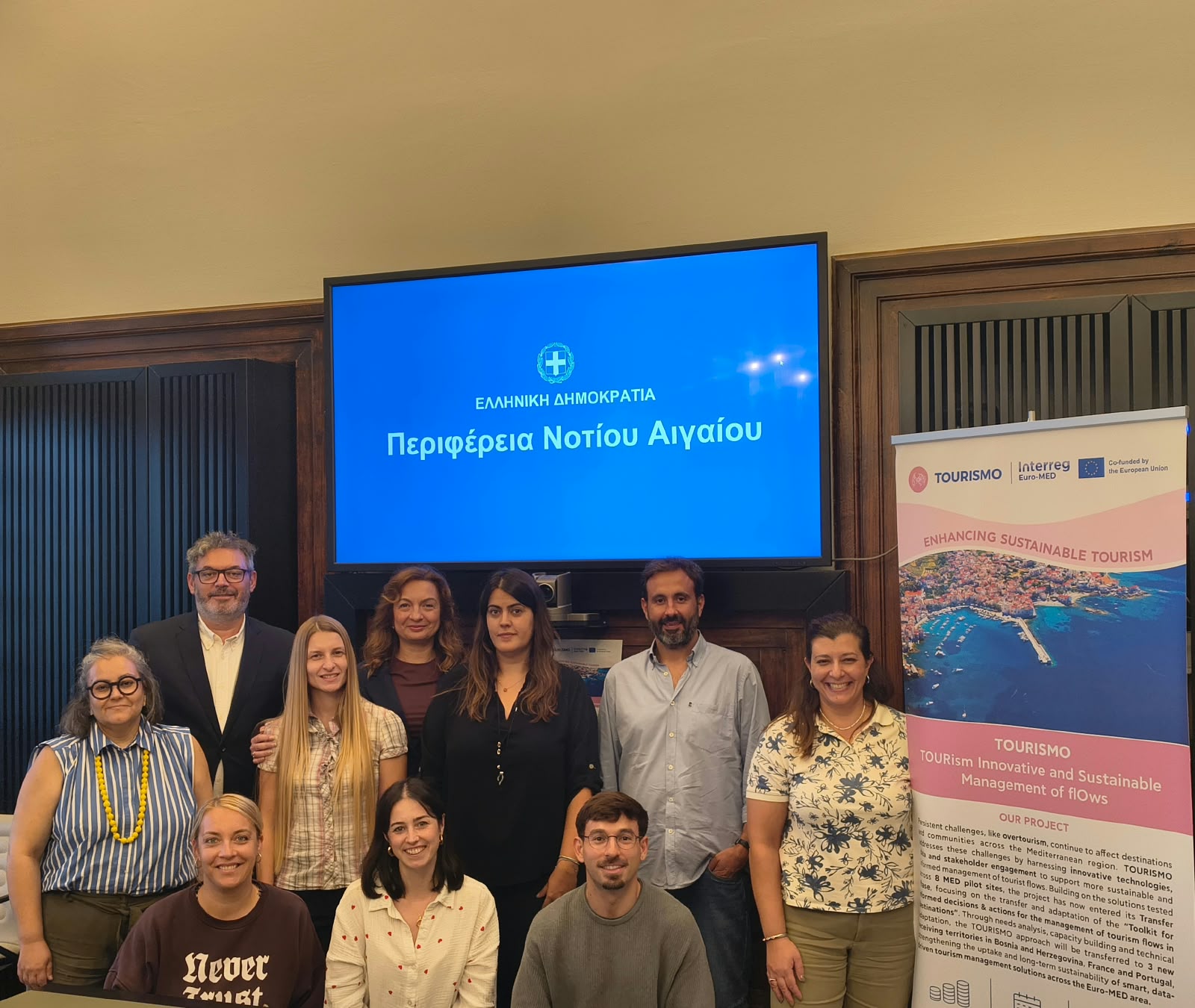
The meeting brought together representatives of READ S.A., the University of Florence, the Foundation for Research and Innovation of the University of Florence, KiNNO Innovation Intermediaries and the Conference of Peripheral Maritime Regions. Representatives of the areas that will benefit from the project’s experience also participated: the City Development Agency of Banja Luka, representing Krupa na Vrbasu in Bosnia and Herzegovina; the Aspres–Thuir Tourist Office in France; and the Municipality of Vila Franca de Xira in Portugal.
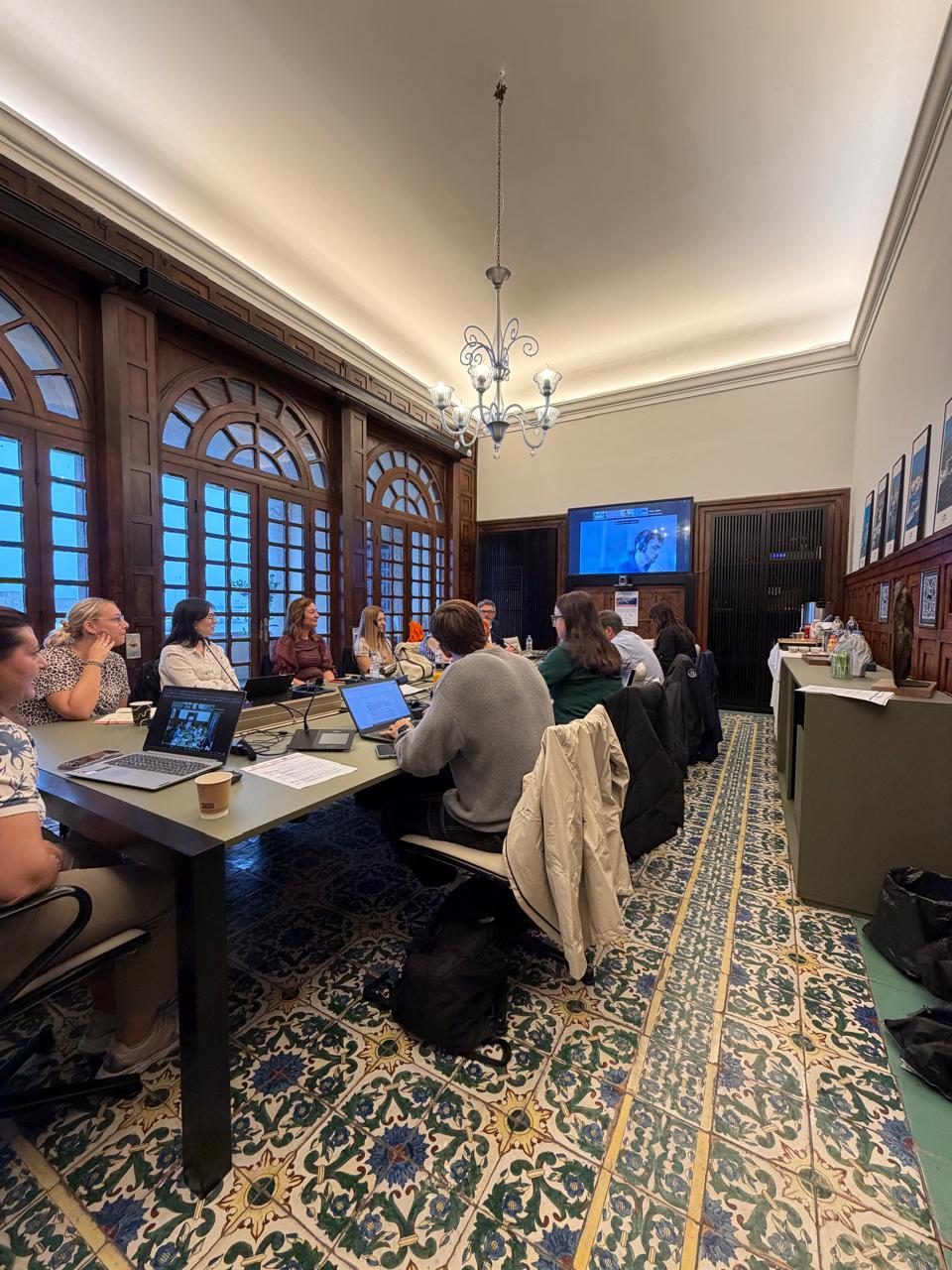
On the first day, representatives of the new areas presented their needs and the challenges they face in managing visitor flows. Discussions focused on how they could use the methods, digital tools and practical guidance developed through TOURISMO, adapting them to the characteristics of each destination.
Participants also discussed training for the people who will use these tools, potential future investments and ways to ensure that the solutions continue to deliver benefits after the project ends. Particular emphasis was placed on cooperation between public authorities, businesses and other local stakeholders. Through local working groups, workshops and information events, they will have opportunities to discuss their destinations’ needs and contribute to the design of practical solutions.
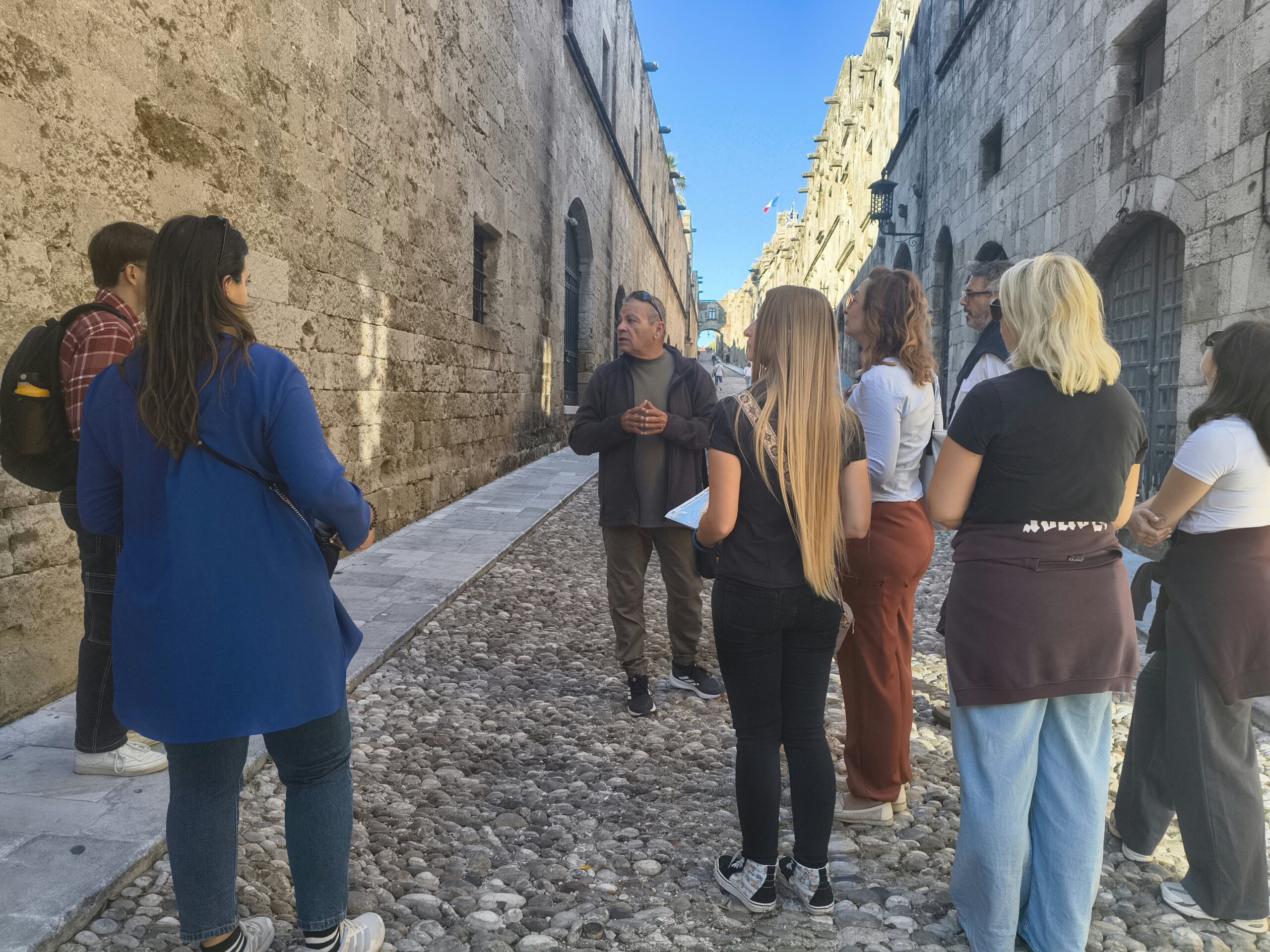
On the second day, participants visited the Medieval City of Rhodes, where TOURISMO solutions have been implemented and tested. The visit offered an opportunity to see how the approaches discussed during the meeting work in practice in a destination with significant cultural heritage and high visitor numbers.
Coordinated by READ S.A., TOURISMO aims to help more destinations put this experience into practice, gain a better understanding of visitor flows and plan more effectively, creating better conditions for residents and visitors alike.