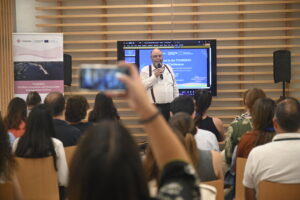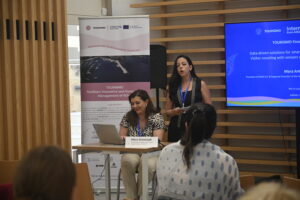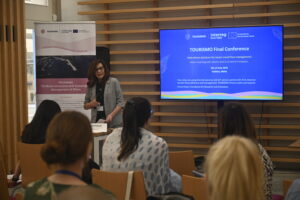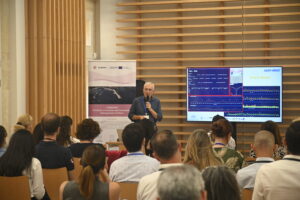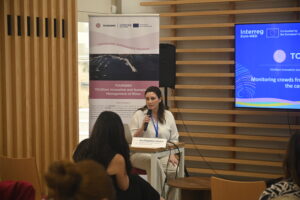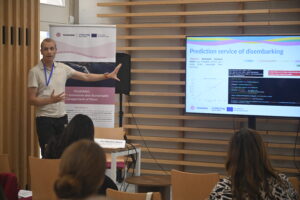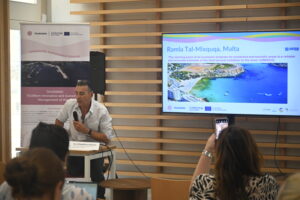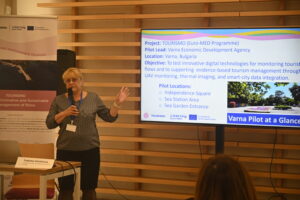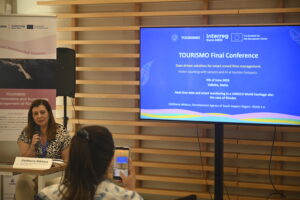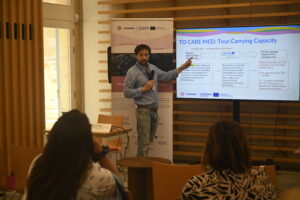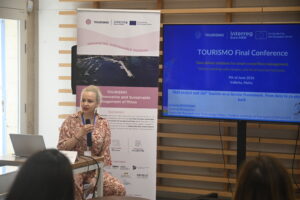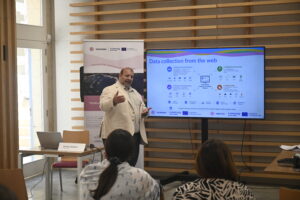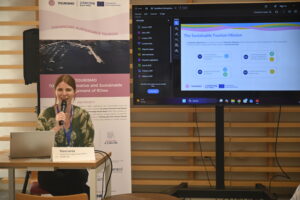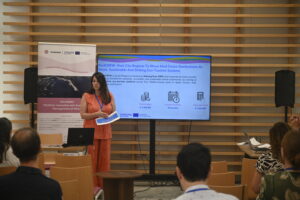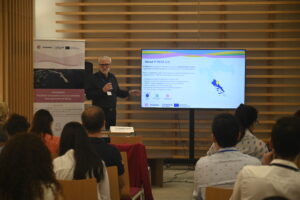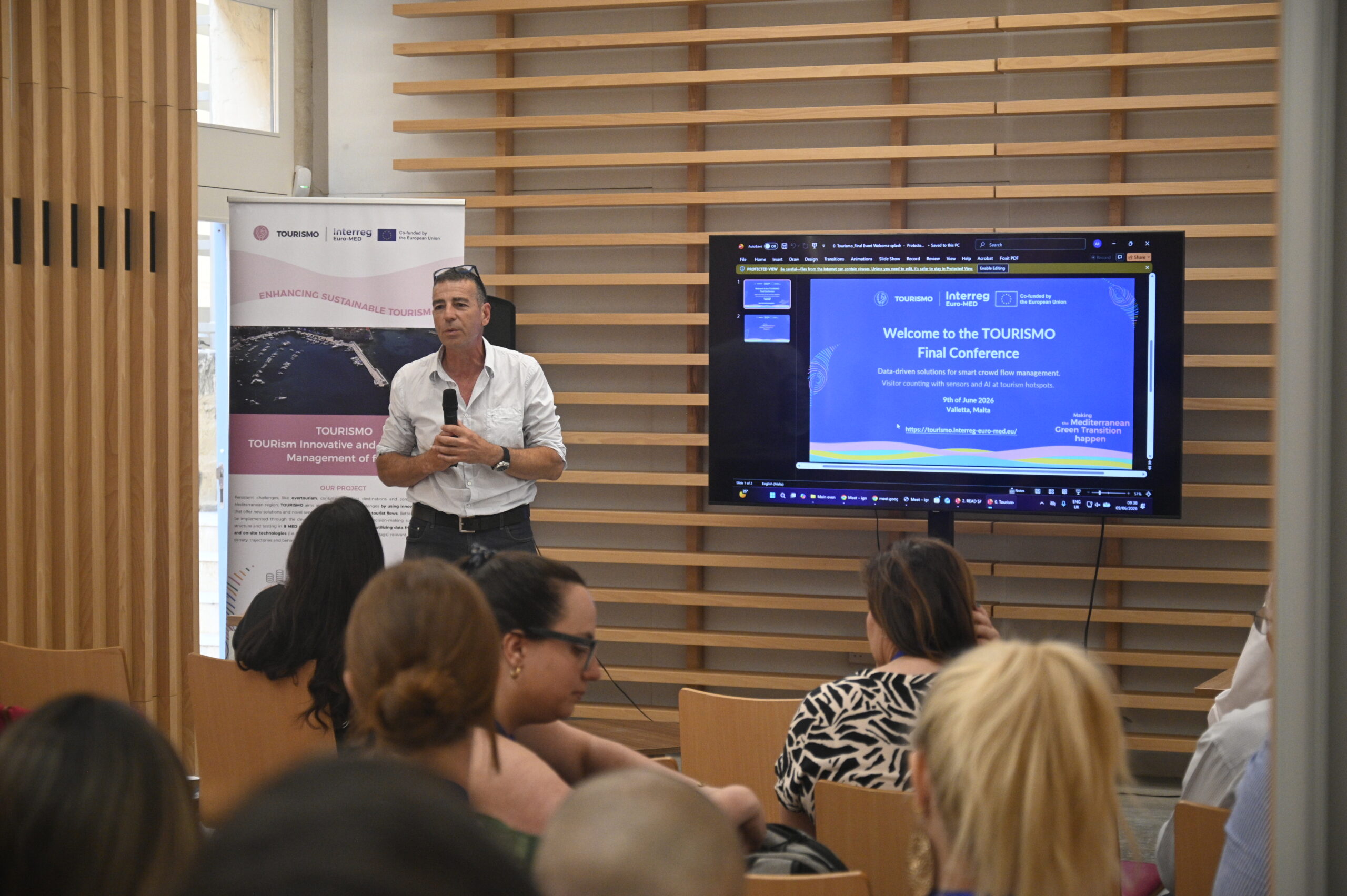

On 9 June 2026, the TOURISMO Final Conference successfully brought together tourism stakeholders, public authorities, researchers, technology providers and project partners in Valletta, Malta, to explore how innovative technologies can support more sustainable and efficient visitor flow management across tourism destinations.
The event highlighted the growing challenges faced by Mediterranean destinations, including increasing visitor numbers, urban pressures and the need to balance tourism development with environmental protection and quality of life for local communities. Throughout the conference, participants exchanged experiences and insights on how data-driven approaches can help destinations better understand, monitor and manage tourism flows.
A central focus of the discussions was the application of advanced technologies such as artificial intelligence, IoT sensors, computer vision systems, drones and smart city platforms. Speakers showcased how these tools are already being deployed across TOURISMO pilot sites to generate real-time information, support decision-making processes and improve visitor management in areas experiencing high tourism pressure.
The conference featured presentations from the project’s pilot destinations, including Florence, Valencia, Biševo Island, Malta, Varna, Rhodes and Limassol. Through these case studies, participants gained valuable insights into the practical implementation of innovative monitoring solutions in diverse environments, ranging from historic city centres and UNESCO World Heritage sites to islands, beaches and cruise tourism destinations.
Beyond the TOURISMO pilots, the event also explored complementary initiatives and methodologies addressing sustainable tourism governance, tourism carrying capacity, destination management systems and regional cooperation across the Mediterranean. The discussions demonstrated the importance of collaboration between public authorities, researchers, technology providers and local communities in developing effective and scalable solutions for tourism management.
The exchanges reinforced a shared commitment to leveraging data and innovation to support destinations that are not only attractive to visitors, but also sustainable, resilient and liveable for local communities. As the TOURISMO project approaches its conclusion, the Final Conference served as an important opportunity to showcase achievements, share knowledge and strengthen cooperation among stakeholders working towards a more sustainable future for tourism across the Mediterranean region.
Below you can find some highlights as well as the presentations that were delivered during the event, according to the final agenda:
Finally, if you joined us on the day, we would love to hear your thoughts! Please take a quick moment to complete our event satisfaction survey to help us improve our future efforts: https://forms.gle/UXm7q25j2PUtHEya6